Hyper-V Platform
How Hyper-V High Availability Works
March 20, 2026
Organizations rely on continuous access to their applications and data, making service interruptions difficult to predict and even harder to...
Hyper-V vs VMware: Which One to Choose?
March 2, 2026
Two major players dominate the virtualization market: Microsoft Hyper-V and VMware vSphere. Selecting one of them to run virtual machines de...
How to Convert Hyper-V to VMware: Complete Guide
December 16, 2025
Virtualization platforms like Hyper-V and VMware are essential for running flexible and scalable IT environments. As organizations evolve, t...
Hyper-V Storage Migration Guide
December 23, 2024
Modern organizations are interested in being mobile, flexible, and efficient so as to remain competitive in the ever-changing market. Thus,...
How to Disable Hyper-V in Windows
December 18, 2024
Microsoft Hyper-V is a type 1 hypervisor that you can install on Windows – including on Windows 10 and Windows Server 2019. In some scenario...
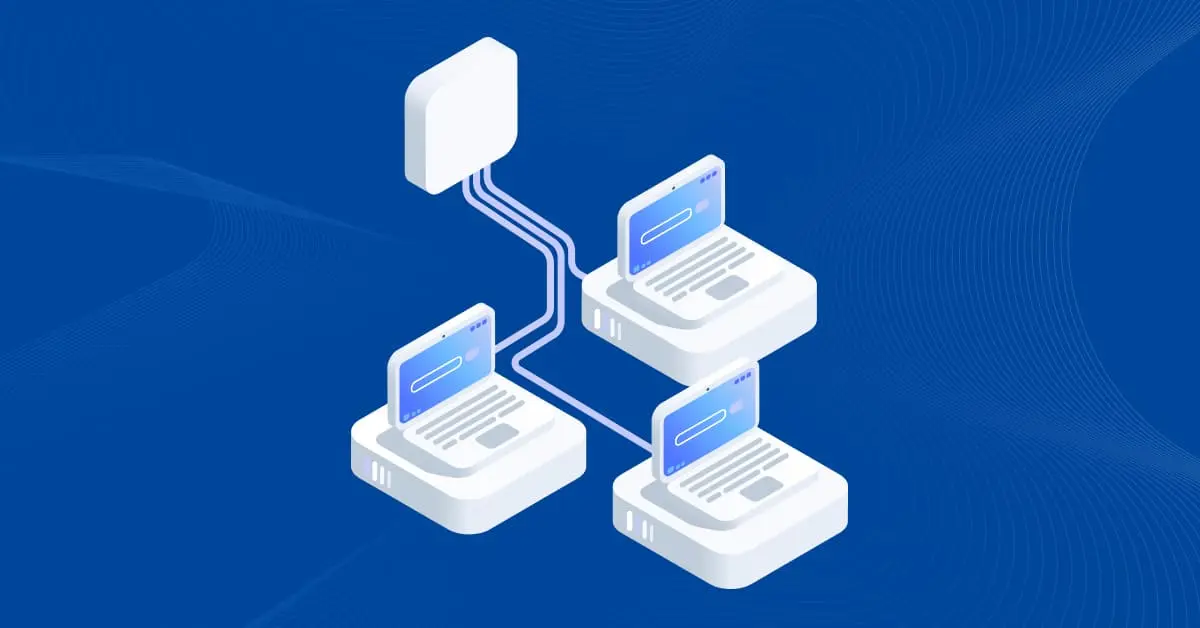
Port Mirroring in Hyper-V: A Setup Guide
November 6, 2024
Troubleshooting is a common task for system administrators working with networks. Professional network equipment usually has features for mo...
Comprehensive Guide to KVM vs Hyper-V
October 9, 2024
Understanding the differences between KVM and Hyper-V is essential when building a virtualized environment to optimize hardware resource uti...
Differences Between VM Snapshots and Backups
September 3, 2024
Backups and snapshots are two popular technologies that enterprises use to mitigate data loss and minimize disruptions. In fact, backups and...
Hyper-V GPU Passthrough: An Essential Guide for Beginners
July 16, 2024
In some scenarios, you may need to use a video card (containing a GPU), also called a graphic adapter or display adapter, on a virtual machi...
Back Up Hyper-V Virtual Machines: The Ultimate Guide
April 16, 2024
If you’re running Microsoft Hyper-V machines, there’s no shortage of backup approaches to ensure recovery in different scenarios – from reco...
How to Convert OVA/OVF Files to Hyper-V VM
December 12, 2023
Microsoft’s Hyper-V is a native hypervisor for Windows, that is you can use it to run virtual machines (VMs) with different guest operating...
How to Migrate from VMware to Hyper-V
December 11, 2023
You may need to convert a VMware VM into a Hyper-V VM for different reasons. For example, you may have a multi-hypervisor environment, you m...
What Is VM Sprawl and How to Prevent It
November 20, 2023
Virtualization allows you to create a number of virtual machines on a single physical server. This technology provides several advantages, i...
Hyper-V Nested Virtualization Explained
July 25, 2023
Hyper-V nested virtualization is a feature that was first released with Windows Server 2016 and Windows 10, and available on workstations as...
Hyper-V or VirtualBox – Which One to Choose?
June 20, 2023
When you want to run a virtual machine, you have several hypervisors to choose from, including two of the most popular products: Oracle Virt...
Using Microsoft’s Volume Shadow Copy Technology for Consistent Backups
June 16, 2023
When creating a backup of a virtual or physical machine with running applications, especially applications that intensively write data to fi...
What Is Hyper-V Resilient Change Tracking: Using RCT for VM Backup
June 9, 2023
When it comes to backup efficiency and copying only unique data blocks between full backups (that is, creating incremental backups), change...

Understanding Hyper-V VM Licensing on Windows Server 2016 and Hyper-V Server 2016
June 1, 2023
VM licensing has always been a confusing topic for many users due to the multitude of implications and liabilities that it entails. Currentl...
A How-To Guide on Setting Up Hyper-V VLANs
June 1, 2023
A virtual environment can consist of several physical servers, with multiple virtual machines (VMs) simultaneously running within each host....
Top 20 Tips on How to Improve VM Performance in Hyper-V
June 1, 2023
Every system is prone to errors and failures once in a while, and users are constantly looking for ways to improve performance with their vi...